Collaborative Robotics: Market Expected to Grow 21.4% Annually Through 2033
The collaborative robotics market is poised for impressive growth. According to a recent market study published via GlobeNewswire, an average annual growth rate (CAGR) of 21.4% is projected for the period between 2026 and 2033. The main driver of this development is the increasing adoption by small and medium-sized enterprises (SMEs).
SMEs as Growth Drivers of the Robotics Revolution
The increased demand from the SME segment marks a turning point in the robotics industry. For a long time, automation solutions were primarily reserved for large corporations with substantial budgets and technical expertise. Collaborative robots – known as cobots – have broken down this barrier. They are more cost-effective to acquire, more flexible to deploy, and don't require elaborate safety installations since they can work safely alongside humans.
This accessibility makes cobots particularly attractive for SMEs looking to increase productivity while addressing skilled labor shortages. The projected growth rate of over 21% annually underscores that collaborative robotics is evolving from a niche product to a mainstream tool.
Impact on the Overall Robotics Solutions Market
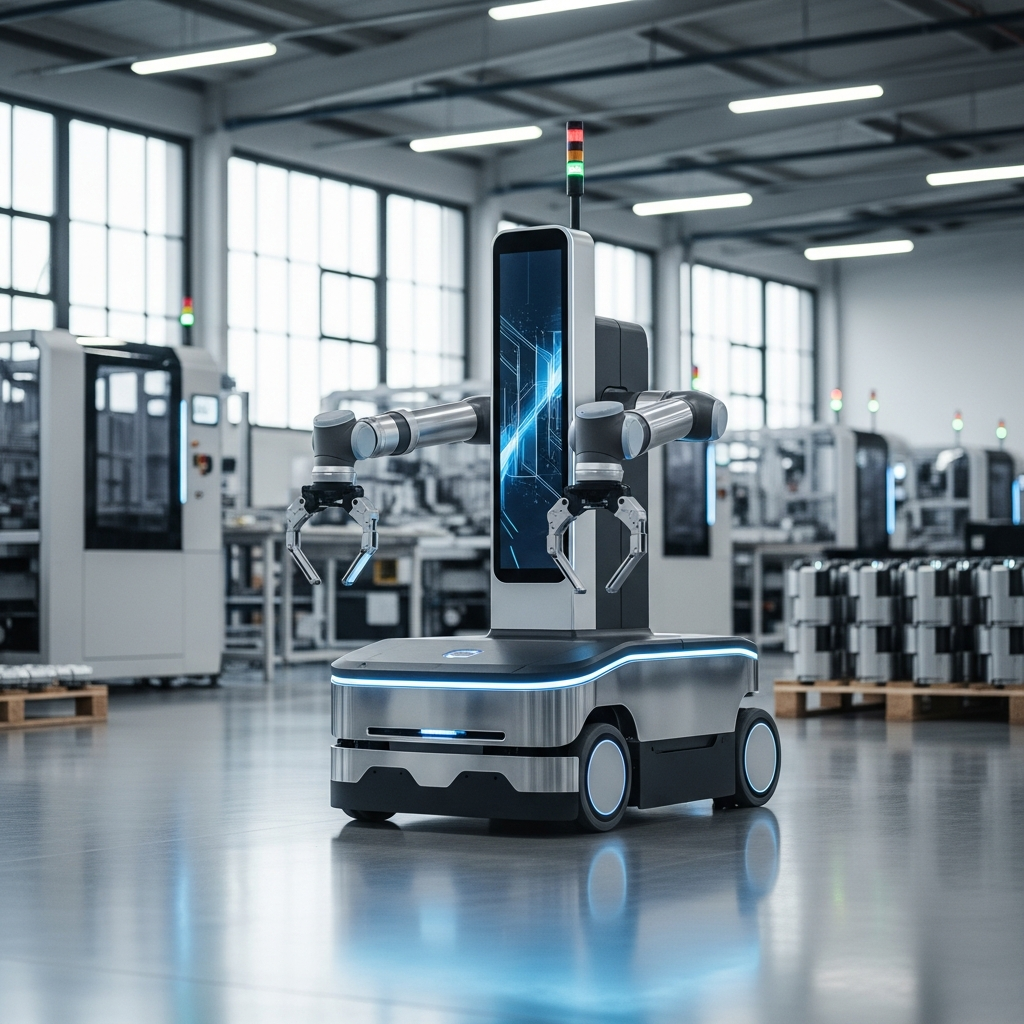
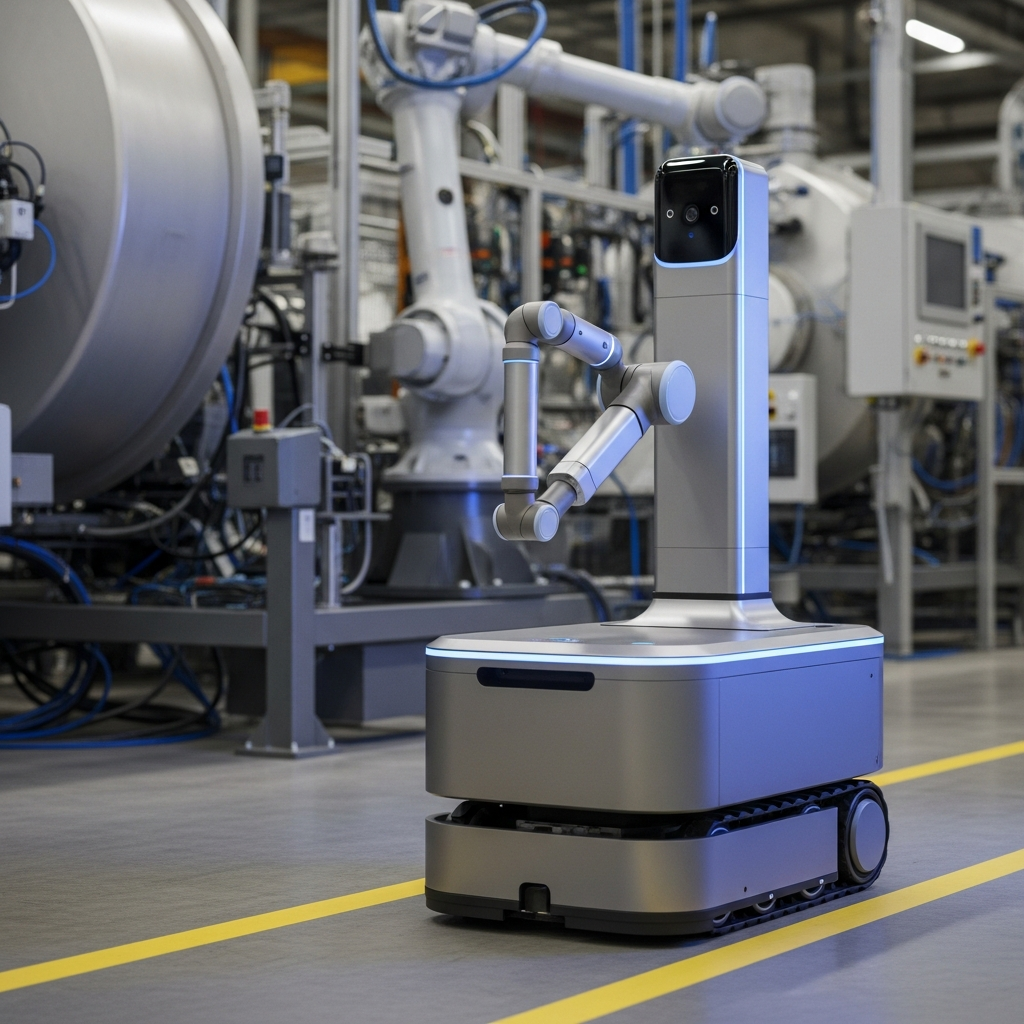
Strong growth in the cobot segment also impacts adjacent robotics areas. Autonomous mobile robots (AMRs) are likewise benefiting from the increasing automation readiness among SMEs. These systems handle transport tasks in production and logistics environments and complement collaborative robot arms ideally.
While cobots are frequently deployed for assembly, packaging, or quality control tasks, AMR systems handle internal material logistics. Especially for SMEs with limited space and resources, this combination offers an optimal entry into automation without requiring major structural changes.
Long-term Outlook and Challenges
The positive market forecast is based not only on technological advances but also on improved financing models, more comprehensive integration services, and growing acceptance of robotics in the workplace. Manufacturers are increasingly investing in user-friendly programming interfaces and modular systems that can adapt to changing production requirements.
However, challenges remain: Integration into existing IT systems, employee training, and workflow adjustments require careful planning. Nevertheless, the forecast clearly shows that collaborative robotics will become a natural component of modern production environments in the coming years.
Interested in automation solutions for your business? Visit Botomix.com, Europe's leading robotics comparison platform. With over 150 robots from more than 50 manufacturers – including autonomous transport robots for intralogistics – you'll find a comprehensive overview of available solutions and can compare systems directly.